#6 Mousa Ghourab
Överlevarna - Podcast készítő Överlevarna - Hétfők
Kategóriák:
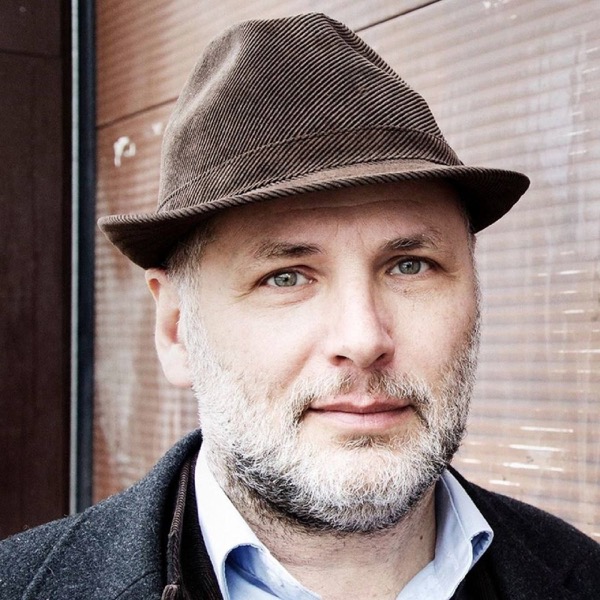
Mousa Ghorab, born in Ashkelon, 1944. Recorded 2019 in Helsingborg. Photo: Cato Lein. ”My father was a technician and welder; at first he ran a café by the sea. From 1963 to 1988 I had no contact with my parents. They thought I had died. It was hard to get in touch—I didn’t want to sit there and become sad and cry. In 1989 I went to visit my parents in Gaza and also visited someone in the PLO. When I returned, I was detained. Memories: In 1948 we were forced to leave Ashkelon. I knew that airplanes were bombing Ashkelon. The Egyptian army urged us to leave Ashkelon. My father carried me on his shoulders; we started walking along the beach. I heard gunfire and an airplane bombing. We were afraid. I become sad when I think about my father having to carry me on his shoulders the whole way. We rested for a while, then the shooting started again. The entire village fled. Most people went on foot; some made it to Gaza in small rowing boats. It took the whole night, and then we arrived in Khan Yunis in Gaza. We slept with our mother and father; my sister and I lay between them. My father climbed up into a tree and tried to spread out the top. We were in Khan Yunis for two weeks—no food, nothing—but I had fun. I was a bit mischievous. UNRWA distributed tents. After three to four weeks they began distributing sugar and flour—it was fantastic. It was the finest bread I have ever eaten. Breakfast was salt and chili pepper. “We will go back one morning. Soon you will stop shooting. Then we will be back.” Especially on Fridays, after prayers, we would go back. That was the whole idea from the first day: tomorrow we are going back. And then morning came. Everyone hoped for “tomorrow” until 1952. Then it became “next month.” No one wanted to establish themselves if we were going back. We lived in tents until 1952. Water and toilets? They didn’t exist. My father opened a tent café. When the wind really blew, the tents flew into the air, like waves. We moved to Gaza City in 1952 and I started school there. We were at school when airplanes came back and forth. My father came running—had you eaten anything? No, they had thrown chocolate that was poisoned, causing diarrhea. It was Israeli aircraft. In 1956 there were several massacres in Gaza. I saw many warships off the coast of Gaza. We thought the Russians had come to help us, but they were not Russians—they were British, French, and Israeli ships. During the war Israel occupied Gaza. They imposed a curfew after five o’clock. After two or three days they came and knocked on doors. If everything was “okay,” they made a cross on the door. Sometimes they killed entire families with machine guns, sometimes with bayonets. My teacher and his wife were killed. They entered his house, tied his arms and legs with rope, and did the same to his wife—I saw it. A girl was killed with a bayonet in front of me in the street. A boy was shot with a machine gun and died in front of our door. In 1983 I traveled back to Gaza. They didn’t know I was coming. I couldn’t bring myself to call and tell them. I didn’t want to cry. I flew to Ben Gurion, then took a taxi to Gaza. My father didn’t really recognize me. My mother jumped with joy. I avoided contact for 25 years so I wouldn’t have to be sad. Today I regret it, especially when my son was born. — How long did you feel like a refugee? I am a Swedish citizen. I am still a refugee from Palestine, absolutely. My blood is Palestinian. — Who bears responsibility? The whole world.”